 By Editorial Team
Sarah was so careful with her skincare, but her rosacea made everything a battle. Trying to wax unwanted facial hair always ended the same way: angry red patches, stinging, and serious irritation. She’d tried it all, different salons, different types of wax, even tracking her cycle, but every time she’d spend the next week hiding her face. She was convinced smooth skin was just off the table for her. The flare-ups after the hair removal were the real issue, destroying her confidence. But could trained specialists actually handle rosacea waxing and give her good results without the awful aftermath?
Key Takeaways
- If you have rosacea, you can’t just go anywhere for a wax. You need a pro who’s actually trained in handling sensitive skin to avoid a bad reaction.
- A real consultation is non-negotiable. It needs to include a skin check and a talk about your personal rosacea triggers to create a safe waxing plan.
- The product matters. Using a gentle hard wax made for sensitive skin causes way less irritation and redness than standard strip waxes.
- What you do after the wax is just as important. Proper aftercare with soothing ingredients and avoiding all irritants is what stops a rosacea flare-up before it starts.
- You have to tell your specialist exactly what triggers your rosacea. That’s how they can give you a truly personal and much safer waxing session.
Sarah’s Ongoing Struggle: A Common Rosacea Dilemma
Sarah’s story is incredibly common. The National Rosacea Society says over 16 million Americans have rosacea, and so many of them deal with visible blood vessels, redness, and inflammatory papules or pustules that make routine beauty treatments a nightmare. For Sarah, just thinking about a facial was enough to cause anxiety. She remembered a horrible experience at a popular chain salon back in early 2025. She told the esthetician she had rosacea, but they just went ahead with their usual routine, using a strip wax that was applied and ripped off way too fast. Within hours, her cheeks weren’t just red, they were covered in inflamed bumps that stuck around for days. “It felt like my face was on fire,” she recounted later, still wincing at the memory.
After that, she was done. Waxing was off the table. She switched to threading, which was better but still time-consuming and sometimes irritating. The dream of having smooth skin without a crisis seemed impossible. The thing is, the problem was never the waxing itself. It was the complete lack of specialized knowledge for her skin type. Basic esthetician training might cover dry vs. oily skin, but handling a chronic condition like rosacea requires a much deeper dive into its pathophysiology and triggers. As the American Academy of Dermatology Association points out, people with rosacea have a weak skin barrier, which makes them way more vulnerable to irritation from heat, friction, and certain chemicals.
The Turning Point: Discovering Specialized Care
The change for Sarah came out of nowhere. A friend saw how frustrated she was and recommended a new local studio that advertised working with sensitive skin. “They actually focus on the individual,” her friend had said, “it’s not one-size-fits-all.” Sarah was skeptical, but she was also desperate, so she booked a consultation. She showed up to the studio, which was just off Main Street near the historic district, with a full list of her rosacea triggers: heat, harsh rubbing, certain fragrances, and even some essential oils. She was braced for another esthetician to nod and say they “understood” without getting it at all.
But then she met Emily, a lead esthetician with over a decade of experience and certifications in advanced skin conditions. The first thing that happened wasn’t a quick trip to the waxing table. Emily spent a full 30 minutes just talking to her. She asked about Sarah’s specific rosacea subtype, her medications, her skincare routine, and even her diet. Emily explained that rosacea involves hyper-reactive blood vessels and an impaired skin barrier, meaning any little trauma could set off a flare. “Our goal,” Emily said, “is to get the hair out with the least possible impact on your skin’s balance. That takes a different approach, a different wax, and a different technique.” That conversation was the first clue this time would be different. Emily also pointed out that while tons of salons offer waxing, very few actually invest in the training to handle complex conditions like rosacea, eczema, or psoriasis. This clear focus on expert care made Sarah feel like she could finally relax.
The Specialist’s Approach: Technique and Product Selection
Emily’s method for Sarah’s rosacea waxing was precise and thoughtful. She started with a close look at Sarah’s skin, mapping out the most sensitive areas and visible capillaries. Then she cleansed Sarah’s face with a calming, fragrance-free cleanser made for reactive skin, making sure not to rub. “Getting the skin prepped right is half the battle,” Emily observed, “especially with rosacea. You have to calm down any surface inflammation before wax even touches the skin.”
The smoothest skin you've ever had, no razor required
Skip the daily shave. Find a top-rated waxing studio near you and book your first visit in minutes.
Find a Wax Studio Near You →The wax itself was the main event. Emily chose a top-tier, hypoallergenic hard wax made for sensitive skin. Hard wax is different because it shrink-wraps around the hair instead of sticking to the skin like strip wax does, which prevents a lot of that painful pulling. “We never, ever use strip waxes on a rosacea client’s face,” Emily stated firmly. “The mechanical exfoliation from ripping a strip off is just too much. It can cause tiny tears in the skin and kick off a huge inflammatory reaction.” She worked in small, manageable sections, letting the wax cool just enough before removing it with a quick pull parallel to the skin, never yanking upwards. That technique alone drastically reduces skin drag and trauma. Each application was precise, minimizing overlap.
Throughout the appointment, Emily kept checking in, asking Sarah how she was feeling. She even used cool compresses on the skin between wax applications to keep the temperature down, since heat is such a common rosacea trigger. The whole thing took longer and was way more deliberate than any wax Sarah had ever had. “You have to know the skin’s limits,” Emily explained. “We’re protecting the skin barrier here, not just yanking out hair.” This careful method and the right product made a world of difference, and the immediate redness Sarah was used to just wasn’t there.
Post-Wax Care: The Critical Final Step
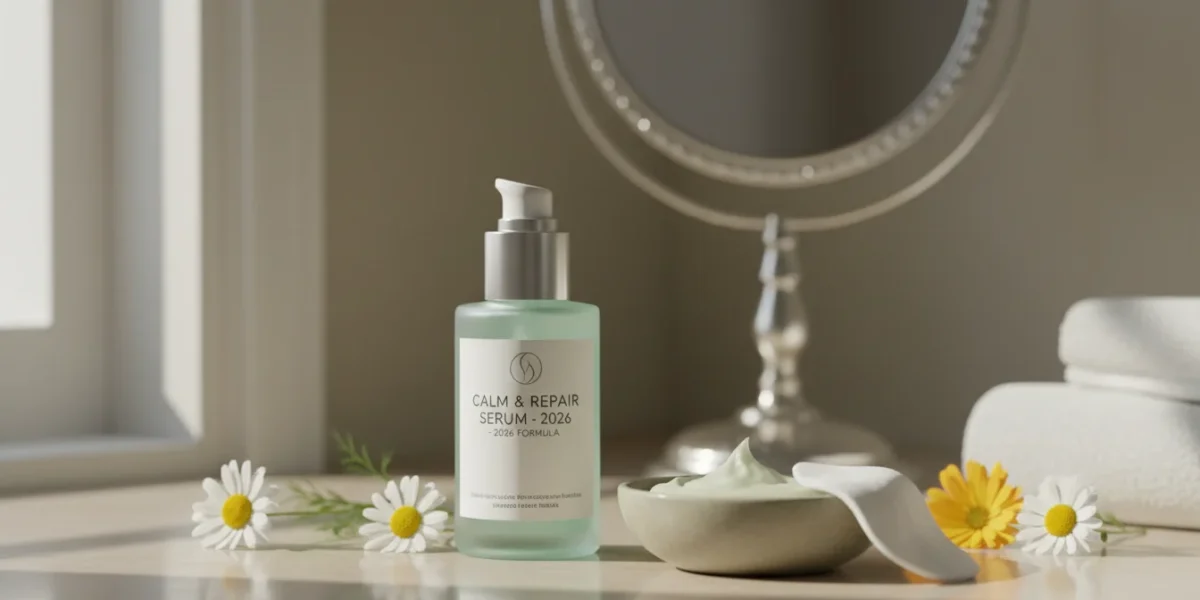
But the service wasn’t over when the last bit of hair was gone. Emily immediately put on a soothing, anti-inflammatory serum with calming ingredients like chamomile and allantoin. After that, she applied a cool, hydrating gel to knock down any remaining redness and put moisture back in. “Hydration is key post-wax, especially for skin with rosacea,” Emily told her. “It helps rebuild the skin’s barrier and gets rid of that tight feeling that often leads to more irritation.”
Emily also gave Sarah a very specific aftercare sheet. For the next 24 to 48 hours: no hot showers, no intense workouts, and no direct sun. She told her to avoid all exfoliants, retinoids, or anything with fragrance for a few days. Instead, she was to stick with a gentle, hydrating cleanser and moisturizer and (this was non-negotiable) wear a broad-spectrum SPF 30+ sunscreen every single day, even indoors. “Sun is a massive rosacea trigger,” Emily reiterated, “and your skin is extra vulnerable right after a wax.” She even recommended a specific soothing balm to use if any redness popped up, explaining what was in it and how it worked. This detailed aftercare plan, made just for Sarah, was just as critical as the waxing itself and showed a real commitment to preventing flare-ups down the road.
The Outcome: A New Standard of Care
Sarah woke up the next day and hesitantly checked the mirror. She was stunned. Her skin was calm. There was a little pinkness, which is normal, but none of the angry red blotches or stinging she was braced for. The inflammatory papules she always got were nowhere in sight. By day two, her skin was clear and smooth, a result she honestly thought was impossible for her. “I couldn’t believe it,” Sarah said months later, still sounding surprised. “For the first time ever, I had my upper lip and chin waxed without instantly regretting it.”
This one appointment completely changed how Sarah thought about her rosacea and beauty treatments. She finally got it: specialized training isn’t just a buzzword, it’s an absolute must for anyone with reactive skin. She now sees that finding trained specialists is a necessity for her. Finding an expert like Emily was an investment that paid off with smooth skin, more confidence, and a lot less stress about her face. Her story is a perfect lesson. Going to a generic waxer when you have rosacea is a huge gamble. Real expert care comes from someone who actually understands the condition from start to finish. You have to find a professional who sees your skin as a complex organ that needs careful handling, not just a surface to perform a service on.
The difference was deep, affecting her long-term relationship with her own skin. She stopped dreading waxing appointments and started looking forward to the results, because she knew she was in good hands. That kind of personalized attention is what sets specialized care apart, opening up treatments that seemed off-limits. For people like Sarah, finding a practitioner who gets the details of a condition like rosacea is a big deal. The treatment becomes part of a bigger skincare strategy that actually improves her well-being.
Knowing your skin is being cared for correctly is priceless. It shows that with the right person, even treatments that seem incompatible can be worked safely into a sensitive skin routine. So what’s the takeaway?
If you have rosacea and want to get waxed, you have to be proactive. Look for pros who advertise their expertise in sensitive skin, ask them a ton of questions about their process and products, and if the consultation feels rushed or they seem dismissive, just walk away. It’s worth the extra effort. The industry is slowly catching on, and more estheticians are getting the right training, but it’s up to us as clients to find them.
For anyone with rosacea, getting smooth skin without a flare-up comes down to the person doing the waxing. Taking the time to find a trained specialist who gets the specifics of rosacea waxing and provides true expert care can turn a nightmare appointment into a safe, routine part of your life. Insist on a real consultation and stick with practitioners who use the right products and techniques to protect your skin barrier.
Can people with rosacea safely get waxed?
Yes, but it has to be done by a highly trained esthetician who takes a specialized approach. The key is finding someone who knows rosacea triggers, uses gentle techniques, and chooses the right products, like a quality hard wax, to minimize irritation.
What type of wax is best for rosacea-prone skin?
Hard wax is the go-to. It sticks to the hair instead of the skin, which means less pulling and trauma. You want a high-quality, hypoallergenic formula without any irritating fragrances. Strip wax is almost always a bad idea for rosacea because it’s just too aggressive on the skin.
What should I tell my esthetician if I have rosacea?
Tell them everything. During your consultation, let them know you have rosacea, what subtype it is, any meds you’re on, and your known triggers, like heat, friction, or specific ingredients. Also, tell them about your daily skincare routine. This gives them the info they need to customize the service and keep you safe.
What aftercare is important for rosacea after waxing?
Post-wax care is critical. Immediately after, use soothing, anti-inflammatory products (think serums with chamomile or allantoin) and cool compresses. Keep the skin hydrated with a simple, gentle moisturizer. For the next day or two, avoid hot showers, heavy workouts, sun, exfoliants, and anything with fragrance. And wear a broad-spectrum SPF 30+ every single day.
How can I find a specialist experienced in waxing rosacea skin?
Search for estheticians or clinics that specifically mention expertise in sensitive skin, medical aesthetics, or advanced skincare. Check their certifications, read online reviews from other sensitive-skin clients, and always book a consultation first. A good specialist will do a thorough skin check and walk you through their customized plan before they even think about starting the wax.


